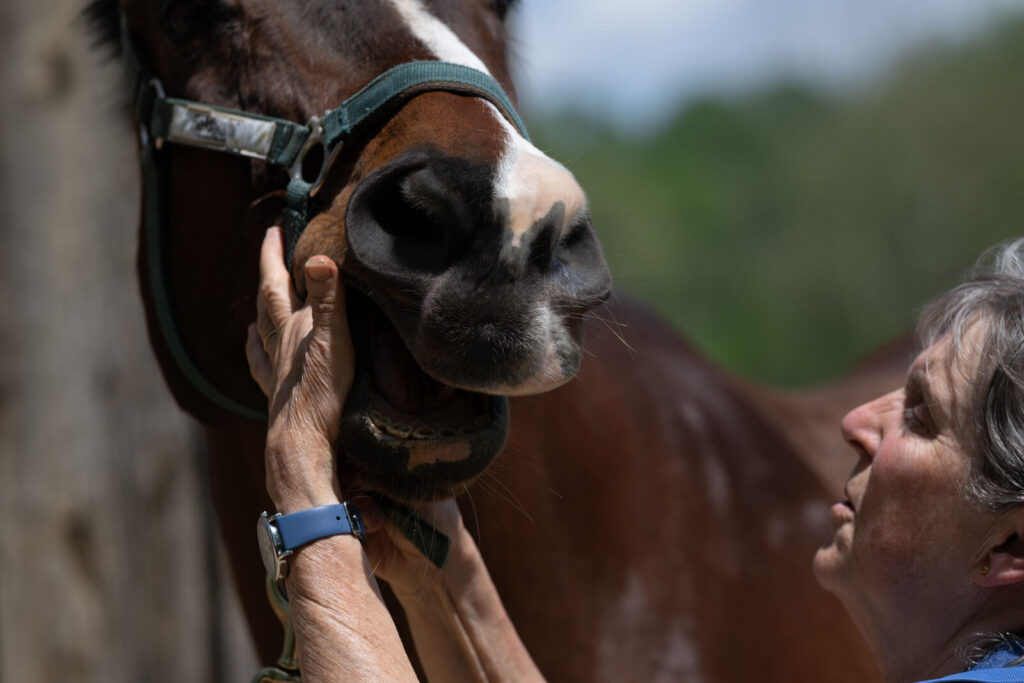
Pigeon Fever in Horses: Causes, Abscesses, and Treatment
Pigeon fever — named for the chest swelling that gives affected horses a pigeon-breast appearance — is caused by Corynebacterium […]

Pigeon fever — named for the chest swelling that gives affected horses a pigeon-breast appearance — is caused by Corynebacterium […]
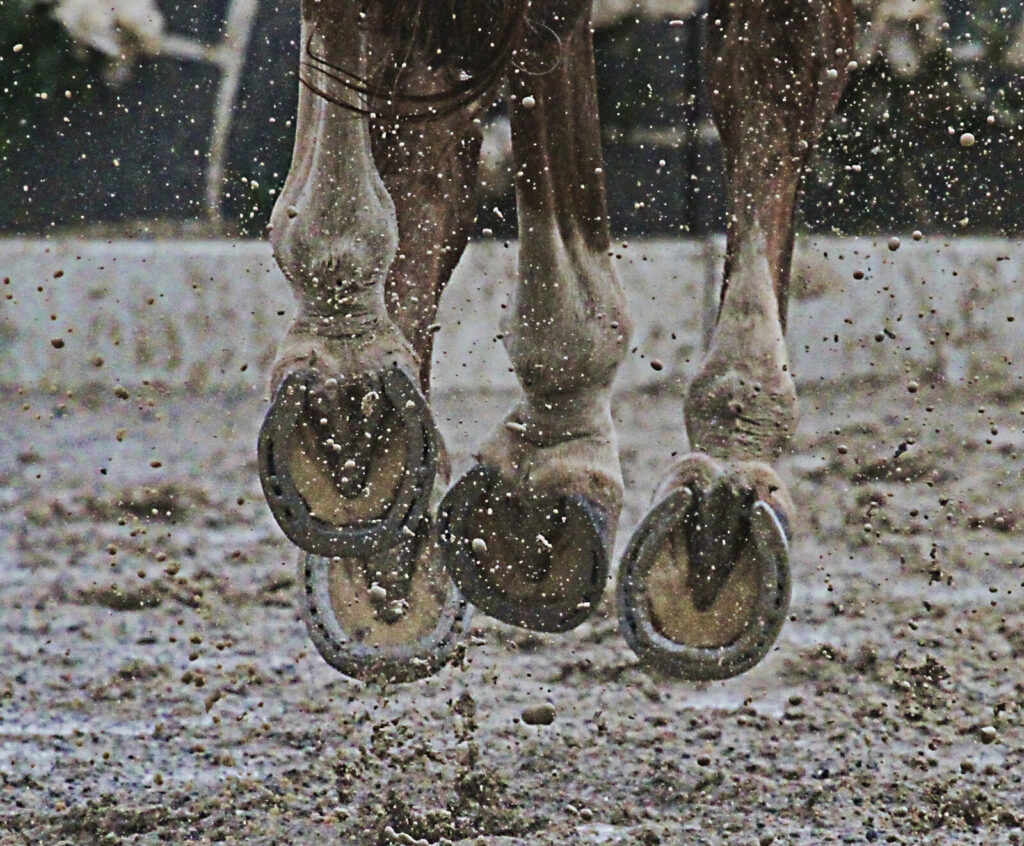
Anhidrosis — the partial or complete inability to sweat normally — is a serious thermoregulatory failure. Evaporative cooling through sweating
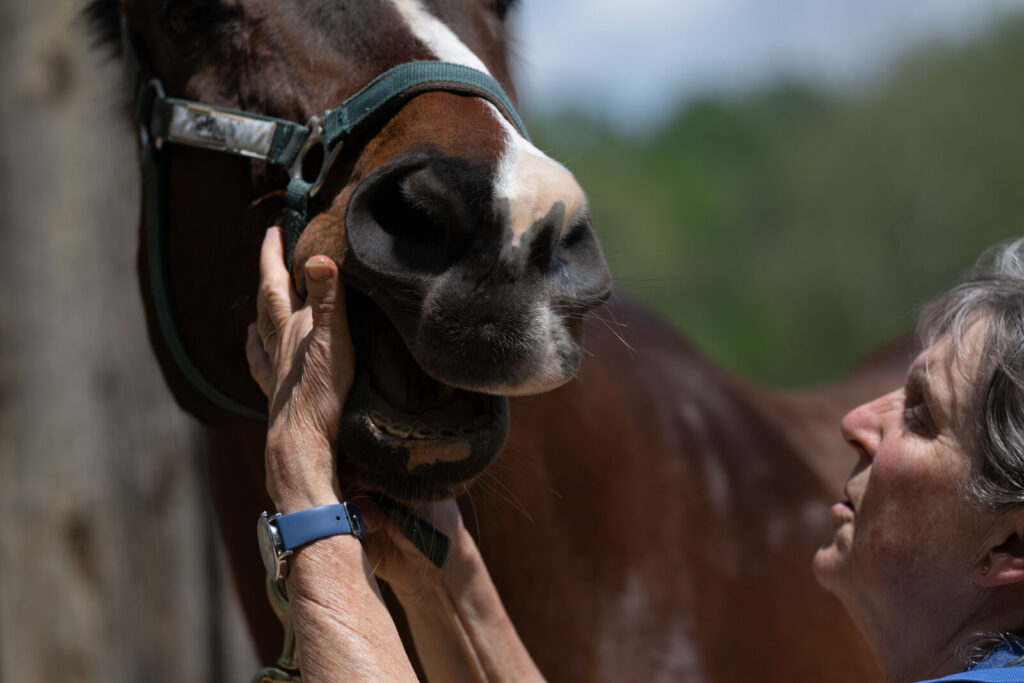
Equine influenza (EI) is caused by influenza A virus strains H3N8 and H7N7, with H3N8 responsible for virtually all contemporary
Equine recurrent uveitis (ERU) is the most common cause of blindness in horses worldwide. It is an immune-mediated inflammatory disease
Equine sarcoids are the most common skin tumor in horses. Learn the six types, why biopsy is risky, and which treatments (cisplatin, cryotherapy, immunotherapy) work for each presentation.
Tying up (exertional rhabdomyolysis) causes sudden muscle cramping and pain in horses. Know the emergency response, understand PSSM vs RER, and learn evidence-based prevention strategies.
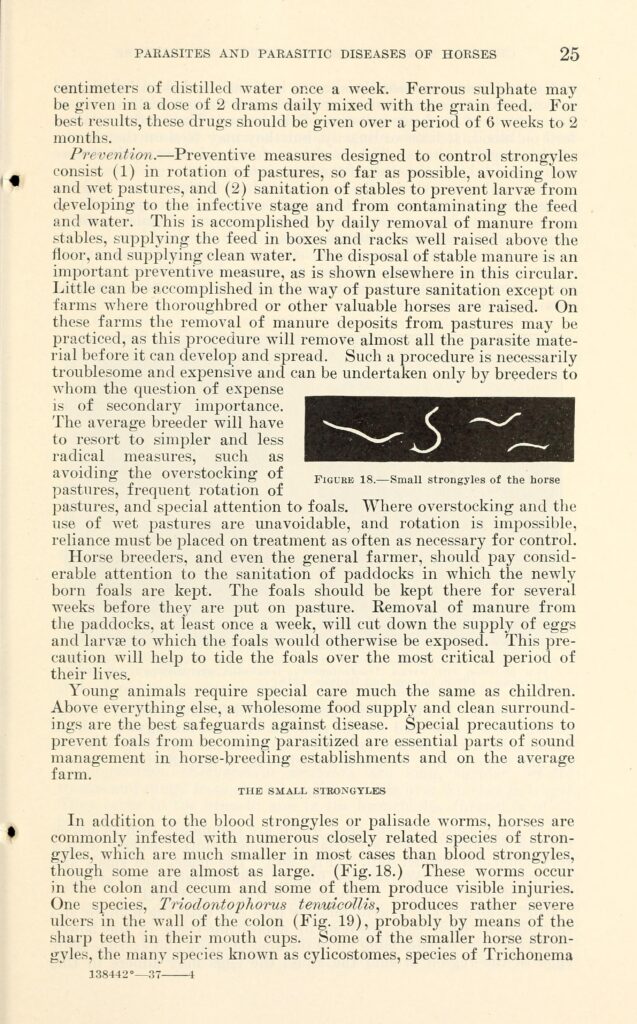
Modern horse deworming uses targeted selective treatment, not rotational schedules. Learn about strongyles, tapeworms, pinworms, resistance testing, and building a rational deworming program.
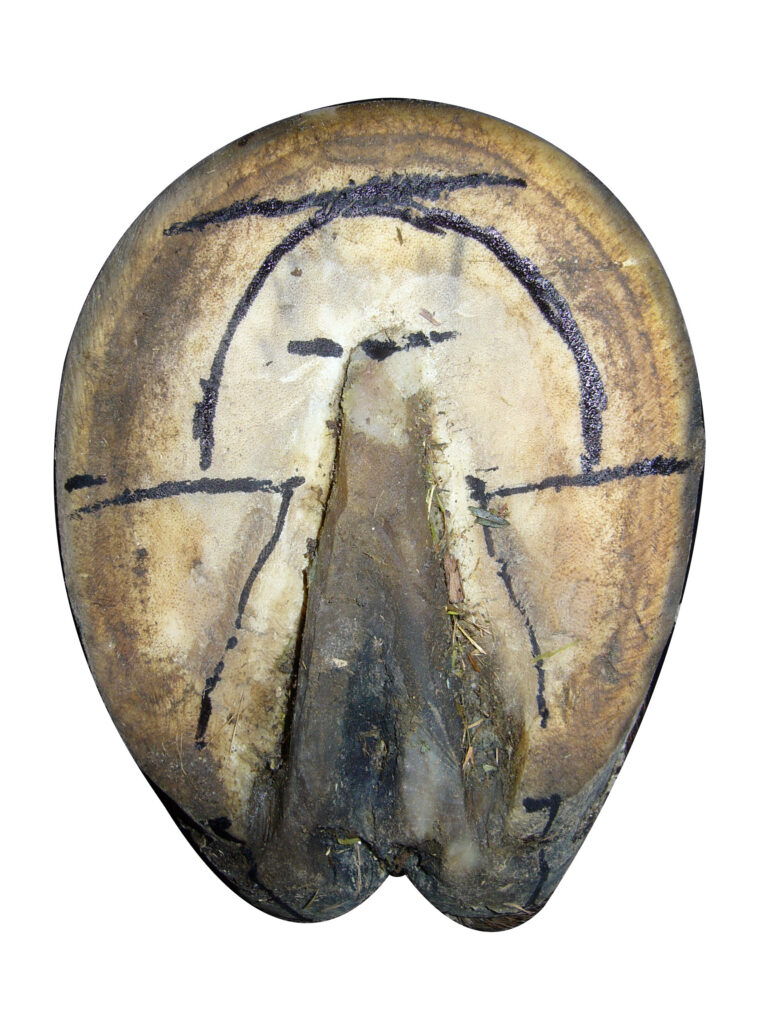
Navicular disease (palmar foot pain) is a leading cause of chronic front-leg lameness. Learn the signs, how it’s diagnosed, farriery corrections, injections, and prognosis.
An underweight horse is a serious concern that demands immediate attention from horse owners and caretakers. Whether caused by inadequate
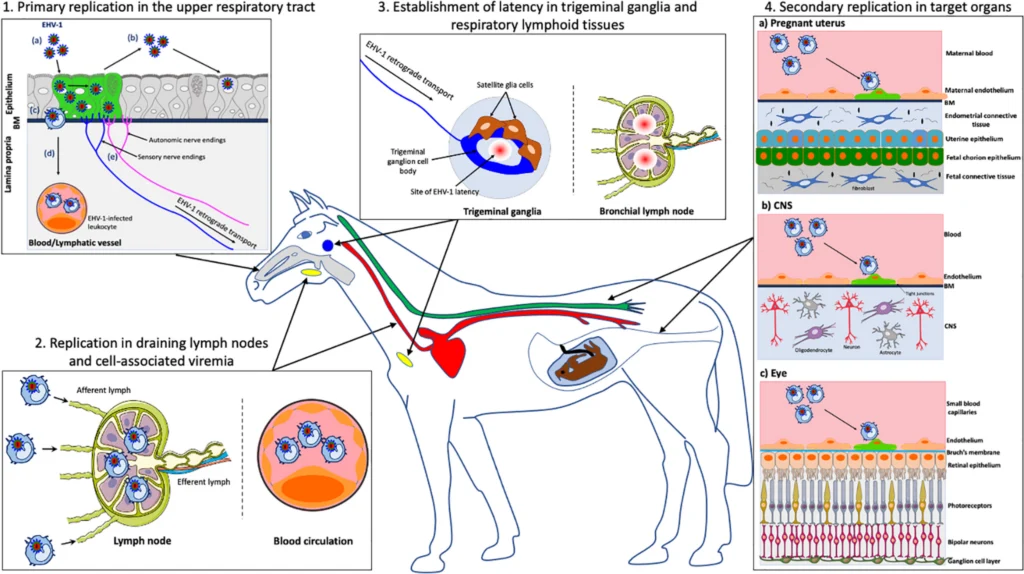
A rapidly spreading EHV-1 outbreak linked to a major Texas barrel race has now affected horses in at least seven states, triggering quarantines, travel restrictions, and event cancellations. Here’s the full timeline, symptoms to watch for, and the biosecurity steps veterinarians say horse owners must take now.